


Cryptocurrency is no longer a mystery reserved for tech experts; it has become part of everyday discussions. As more people buy digital assets, the first question they face is, “Where should I keep my coins?” The answer lies in choosing the right crypto wallet. A wallet is more than a storage option—it is a tool that protects your investments and allows you to interact with the digital economy securely.
The purpose of this guide is to help beginners understand different types of wallets, their features, and how to select the one that fits their needs. Whether you are saving coins for the future or planning to trade actively, knowing how wallets work is the foundation of your crypto journey.
Why Crypto Wallets Matter
Unlike traditional money kept in a bank, cryptocurrencies operate on decentralized networks. There is no single authority you can call if you lose your funds. A crypto wallet gives you control, storing your private keys and ensuring you can send or receive coins.
Without a wallet, owning crypto is impossible. It acts as a bridge between you and the blockchain, allowing you to prove ownership of your digital assets. Some wallets are simple and easy to use, while others provide advanced tools for traders. The decision you make at the beginning can determine whether your experience is smooth or stressful.
Different Types of Crypto Wallets
When beginners first hear about wallets, they often imagine something physical like a leather wallet. In reality, crypto wallets come in digital and hardware forms, each with pros and cons.
- Hot Wallets – These are connected to the internet and include mobile apps, desktop wallets, and web-based wallets. They are easy to set up and convenient for quick transactions, but they are more vulnerable to hacking.
- Cold Wallets – These wallets stay offline, usually as hardware devices or even paper wallets. They provide maximum security since hackers cannot access them remotely, but they are less convenient for daily use.
- Custodial Wallets – Some platforms store your coins on your behalf. This option is beginner-friendly but means you trust a third party with your funds.
- Non-Custodial Wallets – These put you in full control. You hold the private keys, which also means you are fully responsible for keeping them safe.
Security Comes First
At the heart of every wallet choice is security. Digital assets are highly valuable, and hackers constantly search for weaknesses. A good wallet uses strong encryption, two-factor authentication, and backup features to protect your keys.
For many beginners, the confusion comes when comparing convenience and security. Hot wallets are simple but riskier, while cold wallets are safer but less flexible. Striking a balance is the key. Many people start with a mobile wallet and later transfer a portion of their savings to a hardware wallet for long-term storage.
In today’s crypto space, platforms like Crypto30xpro highlight the importance of combining safety and accessibility. Beginners often discover that starting with reliable services makes their journey more confident and stress-free.
Features That Make a Wallet Beginner-Friendly
Not all wallets are designed with newcomers in mind. If you are just starting, look for wallets with clear and simple designs. The interface should show balances, transactions, and settings without overwhelming you.
Some features to watch for include:
- Multi-currency support: If you plan to explore more than Bitcoin, choose a wallet that supports multiple coins.
- Backup and recovery options: Accidents happen. A beginner-friendly wallet should allow recovery through seed phrases.
- Customer support: Having access to help when you are stuck can save a lot of frustration.
Some features to watch for include multi-currency support, backup and recovery options, and customer support. For many beginners, finding a reliable Crypto Wallet option ensures these features work together to provide both safety and ease of use.
Common Mistakes Beginners Should Avoid
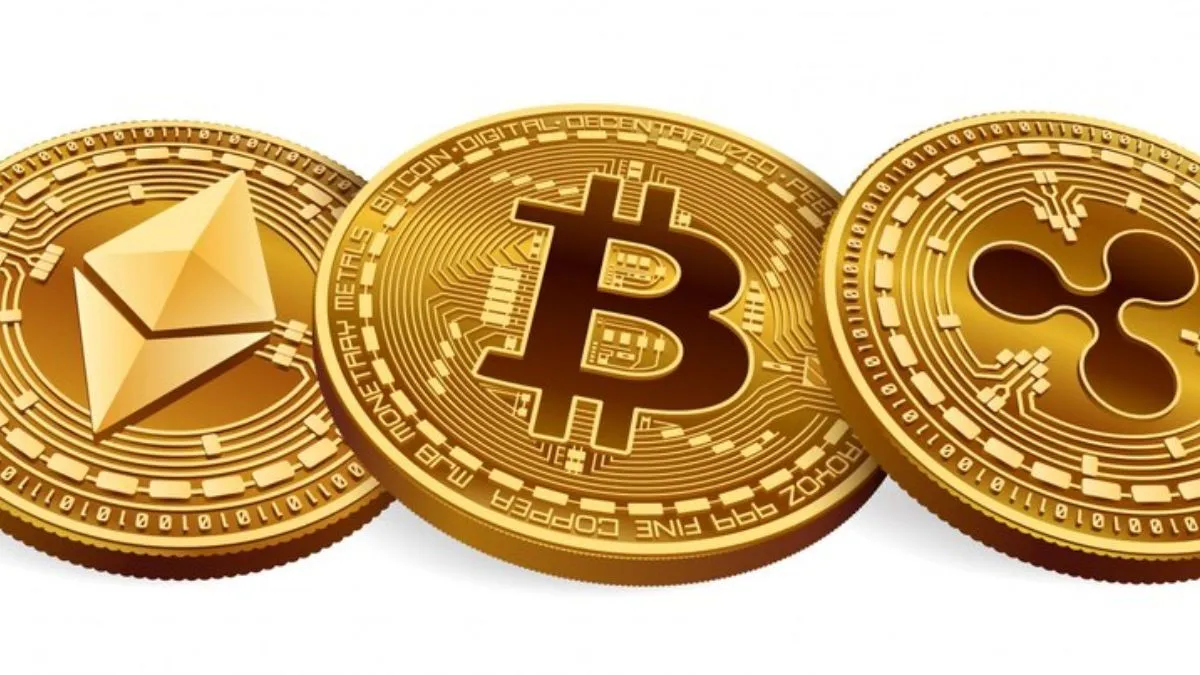
Stepping into the crypto world comes with challenges. Beginners often make mistakes that cost them money. The most common include:
- Losing private keys: Without your keys, your coins are gone forever. Always back them up.
- Falling for phishing scams: Fake websites and apps trick users into giving away sensitive information.
- Keeping everything in one place: Diversifying between hot and cold wallets spreads risk.
By learning these lessons early, you can avoid the pitfalls that many newcomers face.
How to Choose the Right Wallet for Your Needs
The right wallet depends on your goals. If you are experimenting with small amounts, a hot wallet may be enough. If you are serious about building a portfolio, investing in a hardware wallet is wise.
Ask yourself these questions:
- Do I plan to trade daily or hold for the long term?
- Am I comfortable managing my own keys?
- How much convenience am I willing to trade for security?
Answering these honestly will guide you toward the right wallet type.
The Role of Wallets in Crypto Growth
Wallets are not just tools for storage; they shape how people experience the crypto world. A secure and simple wallet can encourage more people to join the market. The rise of user-friendly wallets has already accelerated adoption worldwide.
In the future, wallets may integrate with decentralized finance (DeFi) apps, digital identity systems, and even traditional banking. Beginners who learn the basics today will be ready for the opportunities tomorrow.
Final Thoughts
Choosing the right crypto wallet is one of the most important steps in your digital journey. It protects your assets, shapes your confidence, and influences how you interact with blockchain technology. For beginners, the best strategy is to start simple, focus on security, and gradually explore advanced features.
Remember, your wallet is not just a tool—it is your personal vault in the digital economy. By taking the time to understand the options, you are already setting yourself up for long-term success in crypto.





Leave a Reply